

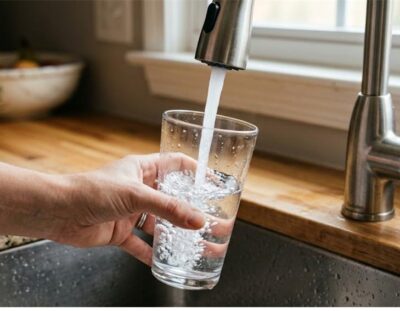
Tap water is usually clear and neutral in taste. Learn which changes in color, smell, or flavor may warrant a professional check.
Medically Reviewed by Melinda Ratini, MS, DO
Chemical Tastes and Smells
Normal tap water is tasteless and odorless. If your water is contaminated, it may have a strong smell or taste of the following chemicals:
- Chlorine
- Petroleum or gasoline
- Turpentine
- Metals (iron, copper)
Tap water that smells or tastes of chlorine is not usually a cause for concern. Tap water is disinfected with chlorine to make it clean and safe to drink, so the smell is likely left from the treatment process. If the smell or taste of chlorine is very strong, however, it’s best to contact your local health agency.
Tap water that smells or tastes like petroleum, gasoline, or turpentine is rare and could pose a serious health risk. If your water smells like these chemicals, the water supply may be contaminated by an underground storage tank that’s leaking byproducts of gasoline, paint, detergent, or ink. Stop drinking the water and contact your local health agency immediately.
It’s best to get metallic tap water analyzed by a certified lab. Contact your local health agency for a referral.
Other Tastes and Smells
If your tap water tastes or smells unpleasant but not chemical, it could still be contaminated. Tastes and smells that suggest water contamination include:
- Rotten eggs
- Moldy earth
- Fish
- Salt
Tap water that tastes or smells like rotten eggs or sulfur likely contains hydrogen sulfide. Hydrogen sulfide is released when a certain kind of bacteria is present in the water or somewhere in your water system. Drains, water heaters, wells, and the inside of pipes can harbor bacteria.
If your tap water smells like moldy earth or fish, there’s likely solid organic matter in your water system or source and it is beginning to decay. Pour a small amount of water into a narrow glass and swirl it around before smelling it. If the water loses its smell upon swirling, the decaying matter is probably located in the sink drain. If the smell is still present after swirling, the decaying matter is probably located in the water source itself.
Tap water contaminated with organic matter is ultimately harmless. Water that tastes too salty is also not usually a cause for concern. A salty taste in your water may simply indicate naturally high levels of sodium, magnesium, or potassium in the water in your area.
If you live near the seaside, however, salty water could indicate that seawater is seeping into your tap water supply. Contact your local health agency to make sure this is not the case.
The Color of the Water
Normal tap water is transparent and colorless. If your water suddenly turns a different color, something may have disturbed the flow in the main water line.
Contaminated tap water may turn the following colors:
- Green or blue
- Black or dark brown
- Red, orange, or yellow
- Milky white or cloudy
Tap water can turn green or blue due to the erosion of copper plumbing. This is probably the case if the green or blue color is accompanied by a metallic smell and taste. As mentioned earlier, consuming too much copper in drinking water may lead to copper toxicity. If your tap water looks blue or green, be on the safe side and contact your local health agency.
If your tap water appears milky white or cloudy, fill up a glass and wait for a couple of minutes. If the water at the bottom of the glass starts to clear up first, the cloudiness was caused by trapped air bubbles, and the water is not a cause for concern.