



By Starr Armstrong
I pledge allegiance to the flag…
Most of us began uttering that phrase at five or six years old. Since then, most of us have recited that line along with the entire text hundreds of times without any thought or analysis.
But let’s pause for a second and define some things.
A pledge is a solemn promise.
Allegiance is loyalty or commitment from a subordinate to a superior or from an individual to a group or cause.
So let me ask a simple question.
When was the last time you actually thought about the things you were taught to say and believe?
_______________________________________________________________________________
Greetings Family. I hope everybody is doing well. I know I jumped right in today, but let’s keep it going.
Vocabulary is an essential component of literacy. At Clever Communities in Action, we don’t just push reading. We push understanding. What do these words mean? Why do we say them? Why do we believe what we believe?
A wise man named Shaza, who hailed from A Different World, once posed: “Blessed are those who ask the questions.” If that is indeed the case, for that alone, I am abundantly blessed. Because I am and always have been an avid question asker.
But realistically, most of us were taught to memorize before we were taught to think. We stood. We repeated words. We learned what to say. But we didn’t learn how to analyze what we were saying.
Hand over heart-allegiance to an inanimate object? Idolatry adjacent, perhaps? What does that object represent? Who does it serve? Why were we taught this? Why did we have to say it every day? Where else do we give that level of loyalty?
Do we pledge allegiance to our spouse? Our children? Higher Power? Yet, children across this country repeat that pledge five days a week without ever being asked to think about it. And on top of all of that, where is the liberty and justice for all?
Memorization without critical thinking is one of the easiest ways to shape belief without resistance. It’s called indoctrination. Critical thinking is something this country has subtly but intentionally been working to eradicate for a long time. While it’s not new, it appears in many ways that anti-intellectualism is at its peak.
Citizens who don’t read, and are not aware of how systems work are not a threat to the systems that harm them. Citizens who are mired with bills and the responsibility of daily life are extremely vulnerable to losing valuable time doomscrolling and seeking other forms of escapism. Subsequently, the furthest thing on many people’s minds is cultivating a better vision of how their lives and their communities could and should be. None of that is happenstance.
People in power understand that a society that does not question is a society that is easy to direct and control. A society that does not analyze is a society that accepts. A society that does not read and ask questions can be told what something means, instead of deciding for themselves. We are witnessing firsthand how extremely dangerous that is.
And this is where Septima Poinsette Clark enters the chat.
Born in Charleston, South Carolina, Septima Clark helped start Citizenship Schools, which were spaces where Black adults learned to read, write, and understand the systems that governed their lives. In the Jim Crow South, literacy tests were used to block Black people from voting, so these schools taught people how to read registration forms, sign their names, and navigate the voting process. But it didn’t stop there. Septima did not just teach to a test in the unfortunate way many of our children are required to learn today. She taught people how to think, how to ask questions. She taught them how to understand what they were reading and what was happening around them. She taught so that Black people could participate, organize, and shift power. She helped people understand what they were up against. She understood that literacy is a weapon, and that an informed, thinking people are far more difficult to control.
That’s education that disrupts. That’s the kind of education we need today. We should not be surprised that this kind of work was led by a Black woman navigating both racism and sexism at the same time. Black women have always had to cultivate and carry the work, most often without recognition. Black women taught. Black women organized. Black women built. Black women fought. Black women nurtured. Black women sustained entire movements while being told to stay in the background. Still, they moved things forward.
Septima Clark was mission-based. She did what needed to be done. She empowered communities to think and act. That is extremely important right now because we are living in a time where people know how to repeat information but struggle to interrogate it. We can quote. We can repost. We can react. But can we analyze? Can we question? Can we break something down and decide for ourselves what it actually means? That’s the entry point of the work. That’s the kind of literacy that protects people.
So, during this Women’s History Month and beyond, as we speak the name, Septima Poinsette Clark, I’m asking you to not just say her name. I’m asking you to familiarize yourself with her work and dare to apply it with a 2026 lens. I’m also asking you to examine how and why you think the way you do, in the spirit of her hard work.
What have you memorized that you’ve never questioned? What do you repeat that you’ve never unpacked? What beliefs are you carrying that were handed to you without your consent? We have to understand that a lack of critical thinking and analysis equals guaranteed stagnation and repetition of harmful patterns.
I’ma say this one mo’ ‘gin. History is not just something we recite. It’s something we’re supposed to use.
The question is…
Will we use our history, or will we continue to allow it to be used against us?
In Love and Solidarity,
Starr Armstrong
Founder | Clever Communities in Action
_______________________________________________________________________________
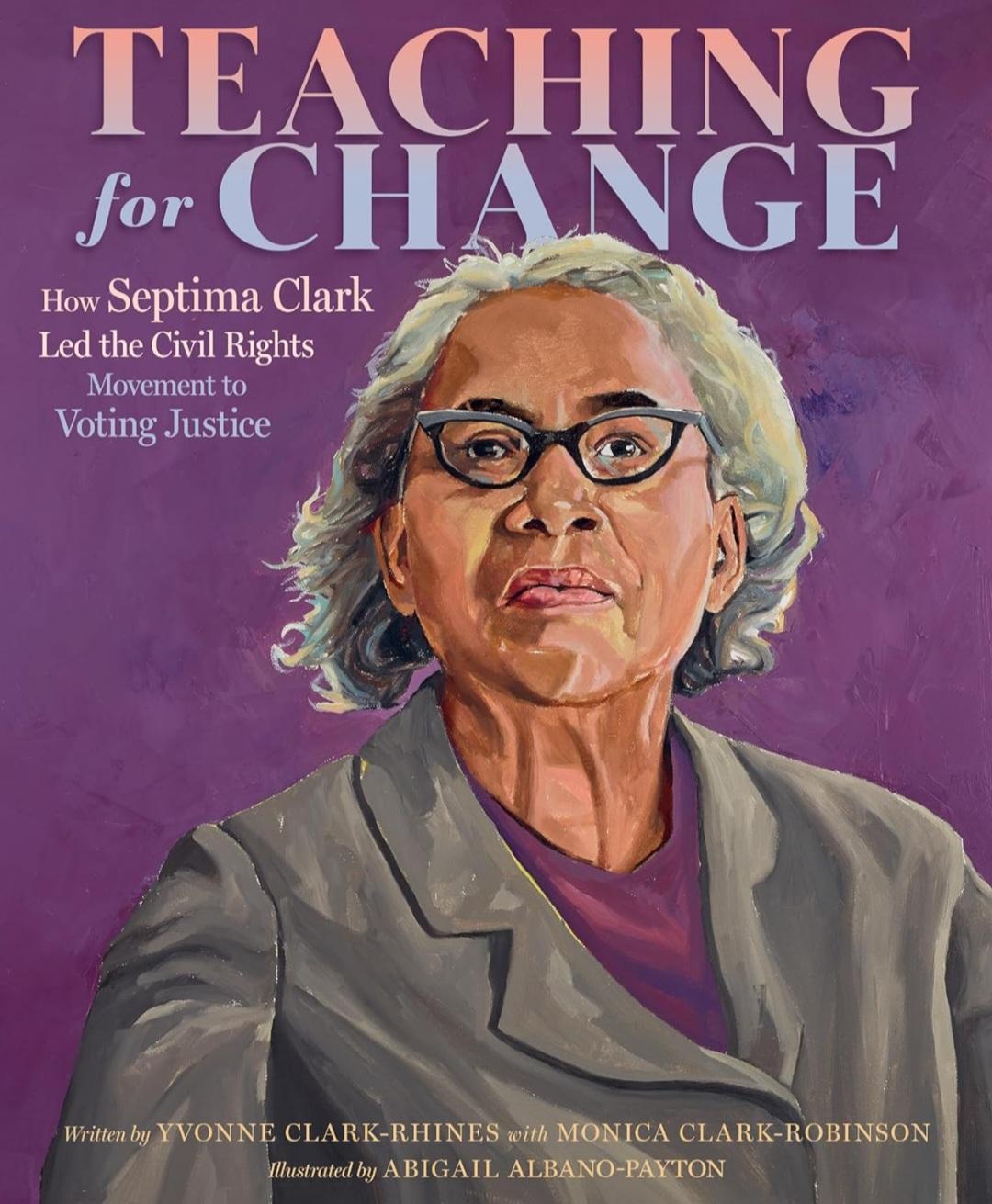
Written by Septima’s granddaughter, Yvonne Clark-Rhines, this powerful children’s book biography charts the monumental life of one tenacious woman (once referred to as The Mother of the Civil Rights Movement by Dr. Martin Luther King Jr.) who made it her mission to bring equity to literacy. Thanks to her efforts, the Black community was able to rise up against oppressive Jim Crow laws that tried to stifle their votes.
_______________________________________________________________________________
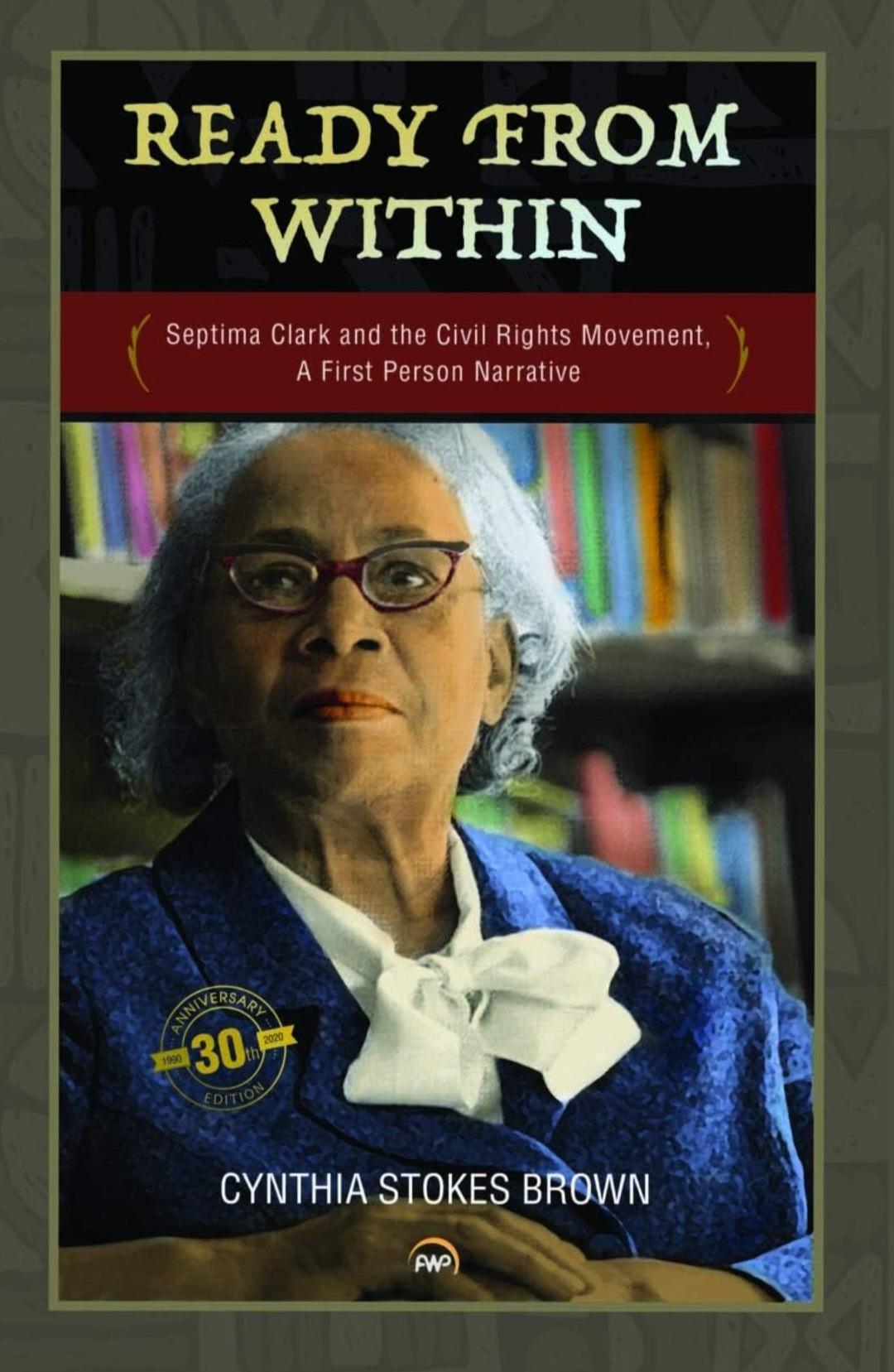
This first-person narrative brings Septima Clark’s life and work into full view, tracing how a Black woman educator from Charleston helped shape the Civil Rights Movement from the ground up. From being fired for refusing to renounce the NAACP to building Citizenship Schools that taught Black adults to read, vote, and organize, Clark’s story reveals the strategy, sacrifice, and everyday work behind the movement. It offers a deeper look at how movements are built beyond the spotlight.