

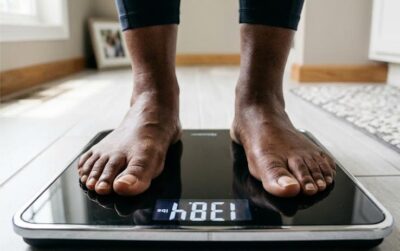
Your weight doesn’t tell the whole story. Find out which other numbers matter just as much for your overall health.
How Much Does Your Weight Matter?
The number on the scale isn’t the only detail that shows how healthy you are. Your cholesterol and blood pressure play a role. So do smoking and drinking. Even how much time you spend sitting matters. What’s more, putting too much stock in your weight could lead to dangerous behaviors, like eating disorders. Let’s take a look at the bigger picture.
BMI (Body Mass Index)
Body mass index uses your height to gauge if your weight is healthy, but even that’s not foolproof. Your body type, ethnic group, and muscle mass can change the meaning of the number. For example, if you start exercising regularly, you may gain weight as you build muscles. When you’re trying to lose weight to be healthier, there are other numbers you should pay attention to, too, instead of focusing only on the scale.
Waist Size
Breathe out, and wrap a tape measure around yourself midway between your hip bone and ribs. No matter your height or build, if your waist measures more than 40 inches (35 inches for women who aren’t pregnant), you probably have extra fat around your heart, liver, kidneys, and other organs. Because of this, your risk of heart disease, high blood pressure, diabetes, sleep apnea, and colorectal cancer goes up.
Blood Pressure
Ideally, you want your upper, or “systolic,” number to be below 120, and your lower “diastolic” number to be below 80. Once the numbers are 130 and 80, or higher, you have high blood pressure. You may not have any symptoms, yet it can damage your heart and blood vessels. Eventually, it can also cause problems with your kidneys, eyes, and sex life.
Blood Sugar
Typically, blood sugar levels should be under 100 mg/dL before you eat and less than 140 mg/dL a couple of hours later. (Your doctor will set your targets, which may be a bit higher, when you have diabetes.) Higher glucose levels can lead to long-term damage to your heart, blood vessels, and kidneys. Daily exercise and healthy eating can help bring your blood sugar down.
Lipid Profile
This set of tests measures different kinds of fats in your blood: “bad” (LDL) cholesterol, “good” (HDL) cholesterol, and triglycerides.
-
Total Cholesterol: Should be less than 200 mg/dL.
-
HDL (“Good” Cholesterol): Aim for 60 mg/dL or more.
-
Triglycerides: Keep below 150 mg/dL.
-
Unhealthy levels could lead to narrow or blocked arteries, heart attacks, and strokes.
Exercise
You should get at least 30 minutes a day, at least five days a week, of moderate exercise (heart is pumping, lungs are working) like walking or gardening. It’s best to spread the activity out over the week and even the day, as long as you’re doing it for at least 10 minutes at a time. Make sure that twice a week, you’re using all your major muscles to keep them strong. Muscles will burn more calories than fat, too, even at rest.
Time Spent Sitting
Even working out an hour a day, seven days a week, won’t undo the unhealthy effects of sitting all day. When you stay seated, your body metabolism slows, so you burn fewer calories. Your muscles and joints stiffen up, and your back may hurt. Get up every 30 minutes or so to stretch or take a short walk.
Steps
To improve your health and your mood, 10,000 steps every day is the number you’ll hear a lot, but there’s nothing magical about it. Anywhere between 4,000 and 18,000 may be good for you. The types of steps you take are important, too. The point is to make sure you’re getting enough moderate activity every day.
Sleep
Adults usually need seven to nine hours a night. Our bodies use that time to fix tissue, make hormones, and grow muscle. Our brains use it to process the day’s information and learning into memories. Not enough sleep can make you hungrier—and make junk food more appealing—because a lack of sleep makes your body less able to regulate the hormones that control appetite.
Screen Time
Limit yourself to two hours a day of screen time that is not work- or school-related (and yes, that includes your smartphone). Too much time glued to devices can cause “text neck,” leading to back, neck, and shoulder pain. Screens in the bedroom can mess with your sleep, while screens during the day can make you less active and more distracted.
Water
Most people can stay hydrated by drinking water when they’re thirsty. To set a baseline, drink at least one glass of water with and between each meal. You may need more if it’s hot or dry outside, or when you’re pregnant. Drink before you work out, every 10-20 minutes during exercise, and within 30 minutes afterward.
Fruit per Day
-
Men & Adults under 30: Shoot for 2 cups a day.
-
Women over 30: Aim for 1½ cups a day.
-
What is a cup? A small apple, a large banana, a medium pear, eight big strawberries, or a half-cup of dried fruit.
Vegetables per Day
You need more veggies than fruit: 2 to 3 cups a day, depending on your age and sex. Mix it up throughout the week with:
-
Dark greens (broccoli, spinach, kale)
-
Red and orange veggies (tomatoes, red peppers, carrots, sweet potatoes)
-
Starchy veggies (corn, potatoes, green peas)
-
Legumes (beans and peas)
-
Other vegetables (cabbage, onions, zucchini, cauliflower, mushrooms)
Alcohol
Moderation is key: one drink a day for women, two for men. (A drink is defined as 5 ounces of wine, 12 ounces of beer, or 1.5 ounces of liquor.) More than that, and any potential health benefits start to fade while the calories pile up.
Cigarettes
Literally, zero. They cause more deaths than HIV, illegal drug use, alcohol, car accidents, and gun incidents combined. Being a “light” or “social” smoker still isn’t OK; even smoking fewer than five cigarettes a day can lead to early signs of heart disease.
Is Metabolically Healthy Obesity (MHO) a Thing?
Some people considered overweight or obese by BMI standards have healthy cholesterol, blood pressure, and blood sugar. They may have normal insulin sensitivity and be physically active, too.
However, opinions on MHO are mixed, and there is no clear definition. Some researchers say it is when you have zero, one, or two symptoms of metabolic syndrome (a group of conditions that raise your risk of serious disease, including high blood pressure, high blood sugar, excess waist fat, and high cholesterol). Others define MHO strictly as having normal insulin sensitivity (low insulin resistance).