

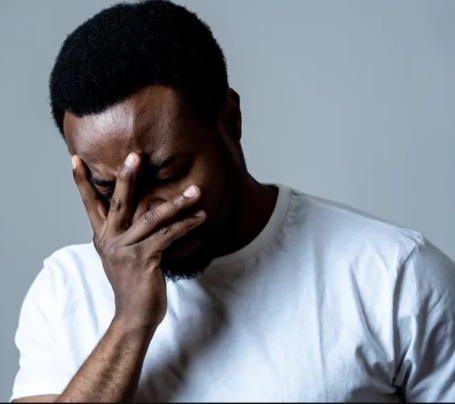

As African Americans, sometimes we’re our own worst enemies. We don’t show up to meetings by organizations that fight for our interests, but as soon as something that affects us personally, then here we go running to some organization like the NAACP, political party, or community leader. We’re our own worst enemies because we don’t even support organizations or people that fight for us. It’s so hard to organize and fight for black folks because we sometimes couldn’t care less about a community meeting, even if it’s about our rights being taken away or health issues.
The hardest thing for a community organizer to overcome is us being our own worst enemy.
Black community leaders and organizations face many challenges in organizing within their communities, often due to systemic barriers and historical legacies. Some specific challenges include limited access to resources, historical trauma, and differing priorities within the community. These factors can make it difficult for community leaders organizing members to come together and work towards common goals, such as clean water or quality of life for a city/town.
We’ve been our own worst enemy for so long that the lack of unity and coordinated action within the black community has hindered progress and exacerbated existing challenges stemming from decades of systemic and structural racism. Black people are their own worst enemies when they fail to participate, strengthen, grow, and support organizations and community leaders fighting on their behalf against this systemic and structural racism. We’re our own worst enemy because we sit back and expect others to do it for us. We’re our own worst enemy because people and organizations are fighting on two fronts. Community leaders on one front are fighting for our justice, whether social or economic, while on the other front, the people their fighting for don’t give a damn.
Being our own worst enemy has weakened our political and economic power because it wears down leaders and potential leaders, causing reduced advocacy, and this is where we stand. A lack of coordinated effort between leaders, organizations, and the community makes it difficult to mobilize on a large scale for political change, such as the water situation in Gadsden, AL, voting rights, or policy reform that’s badly needed. We can never have a united front as long as we’re our own worst enemy. As a result, the community’s demands will be fragmented, easier for opposing systematic forces to dismiss, and will fail to gain the necessary traction on the local and state levels.
Lastly, being our own worst enemy by not supporting organizations and community leaders limits our economic influence on the world around us. If the black community doesn’t organize, we will never have economic power. Organization is the key to building and sustaining collective economic power, such as pooling resources, supporting black-owned businesses, and creating economic development initiatives. What do organizations and community leaders need from us instead of the black community being its own worst enemy? Answer: FOR YOU TO SHOW UP at meetings of organizations and leaders fighting on our behalf