

This is an opinion column
Yes, we’re mad, as we should be. We’re hurt, as we should be.
And we want answers, as we certainly should.
When someone loses their life to suicide, whether at home or while incarcerated, we all feel it. We feel to our core. We feel the full gamut of emotions triggered by such a tragedy. By something so unnecessary (to us) and seemingly avoidable (to us, again).
By something that makes us wonder: Is there something someone could have done?
Something someone should have done?
Maybe because we knew or loved someone who died by suicide. Or know someone who’s wrestled with suicide ideation. Or may still be fighting it.
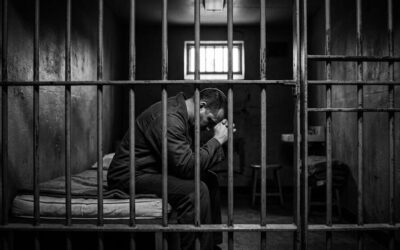
Within three days of each other this month — June 11 and June 14 — Kalena “Peaches” Croskey, 32, and 35-year-old Kendall Kadeem Sweazer died by suicide while incarcerated at the Birmingham City Jail.
Croskey, who identified as a transgender woman and had endured myriad mental health struggles, had been incarcerated since April 21 and was charged with disorderly conduct, public intoxication, criminal mischief, and two counts of third-degree assault. Sweazer was charged with disorderly conduct, booked on June 13, the day before he died.
We’re still mad and hurt, and we still want answers.
Last Wednesday evening, Birmingham Mayor Randall Woodfin shared a few details about the deaths in a Facebook post. He noted that Croskey and Sweazer, who both previously attempted to take their lives, had been taken to UAB for evaluation. “In both cases, according to the mayor, “UAB released them back to jail. Procedure and protocols from staff were followed. The coroner’s office has found no signs of foul play.”
The following day, in a conversation, Woodfin told me: “Any form of death of someone in our custody is too many. I want to be very clear about that. Everyone is leaning in to make sure the investigation is still active and we are actively talking about: How do we move forward with any additional protocols and what safety measures are needed to prevent someone else from taking their lives?”
Accountability questions
Still, was there something someone — anyone — could have done that might’ve helped Croskey and Sweazer choose life? Something someone should have done?
Is there something we could have done? Something we should have done? And what should we be doing now to ensure there is not another Croskey or Sweazer? That no other Alabamian — incarcerated or free — loses their life to suicide.
This is our hard truth, Alabama, our embarrassing reality, staring us in the mirror: We are the worst. The state ranks dead last in the nation for access to mental health providers, according to the 2025 Alabama Kids Count Data Book.